“Nepal’s tourism industry offers a unique blend of adventure, culture, and wellness. Discover top destinations, growth trends, investment opportunities, and travel insights for an unforgettable experience.
We believe in fair payment practices, and you will only be charged after we meet in person. There is no pre-charge required, we simply request you to reserve your seat beforehand.
Tourism Industry in Nepal: Insights for Travelers & Investors
Tourism Industry in Nepal: Insights for Travelers & Investors
"Nepal’s tourism industry offers a unique blend of adventure, culture, and wellness. Discover top destinations, growth trends, investment opportunities, and travel insights for an unforgettable experience.
The tourism industry in Nepal stands as one of the country’s most vital economic and cultural pillars. In 2023, the sector contributed approximately 6.6% to Nepal’s GDP, amounting to NPR 358.9 billion ($2.7 billion) thinkeurope.de. This underscores the importance of tourism in driving economic growth and development.
Nepal has captivated travelers for centuries with its rich heritage, breathtaking landscapes, and diverse adventure offerings. Tourism is not just a source of revenue; it represents a bridge between Nepal’s cultural identity and the global community.
Each year, millions of tourists explore Nepal’s unique blend of adventure, heritage, and spirituality, making it a key driver of employment, foreign exchange, and local development.
In 2023, the country recorded 1,014,876 international visitors, a significant rebound from the pandemic-induced lows. The top five source countries for tourists in 2023 were:
India: 31.52%
United States: 9.88%
China: 5.99%
United Kingdom: 5.20%
Australia: 3.82%
Nepal’s tourism industry has rebounded strongly post-pandemic, with international arrivals increasing 65.05% from 2022 to 2023 and exceeding 1.1 million visitors in 2024, reaching 96% of pre-pandemic levels. Strong demand from India, Europe, and the US drives growth, and the government targets 3.5 million tourists by 2032 with a 15% annual growth rate (trade.ntb.gov.np).
From trekking along the Annapurna Circuit to cultural immersion in Kathmandu Valley, Nepal’s tourism industry caters to a broad spectrum of travelers.
For both travelers and investors, understanding the dynamics of the tourism industry in Nepal is essential. In this article, we will explore the types of tourism, its economic significance, major attractions, current trends, challenges, and opportunities that shape Nepal’s tourism landscape in 2025 and beyond.
Overview of Tourism in Nepal
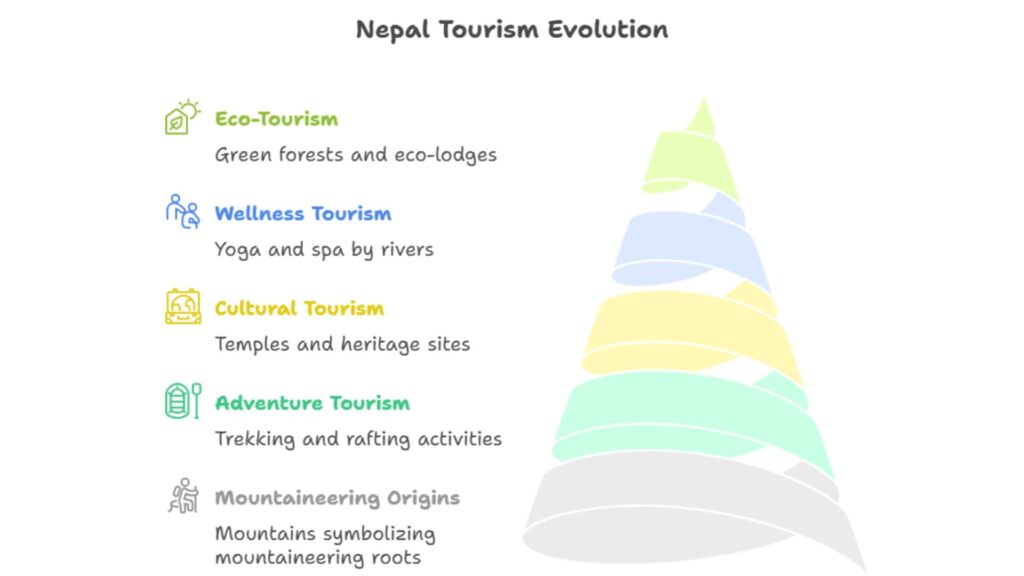
Tourism in Nepal has evolved significantly over the past decade, transforming from a niche mountaineering-focused industry to a multifaceted sector encompassing adventure, cultural, wellness, and eco-tourism. According to historical data from CEIC Data, international tourist arrivals in Nepal have shown a fluctuating but generally upward trend over the past 10 years, with over 1 million visitors recorded in 2023 (CEIC Data).
Tourism Revenue
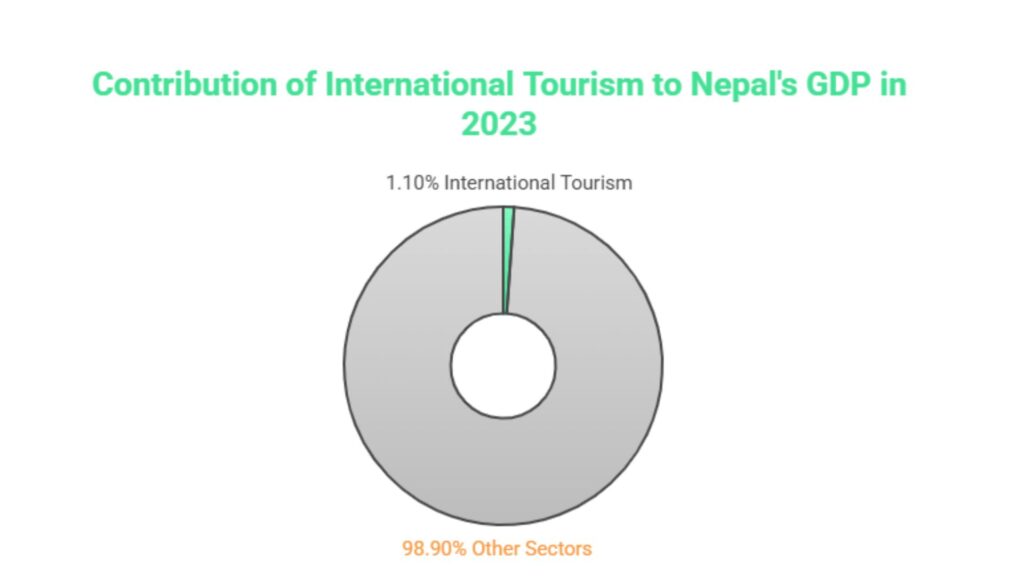
The economic contribution of tourism is substantial. In 2023, Nepal generated approximately NPR 61.5 billion (USD 548 million) in tourism revenue (CEIC Data), accounting for 1.10% of the GDP from international tourism. This underscores the sector’s importance not only in terms of foreign exchange earnings but also as a driver of employment and local development.
Comparison with Neighboring Countries
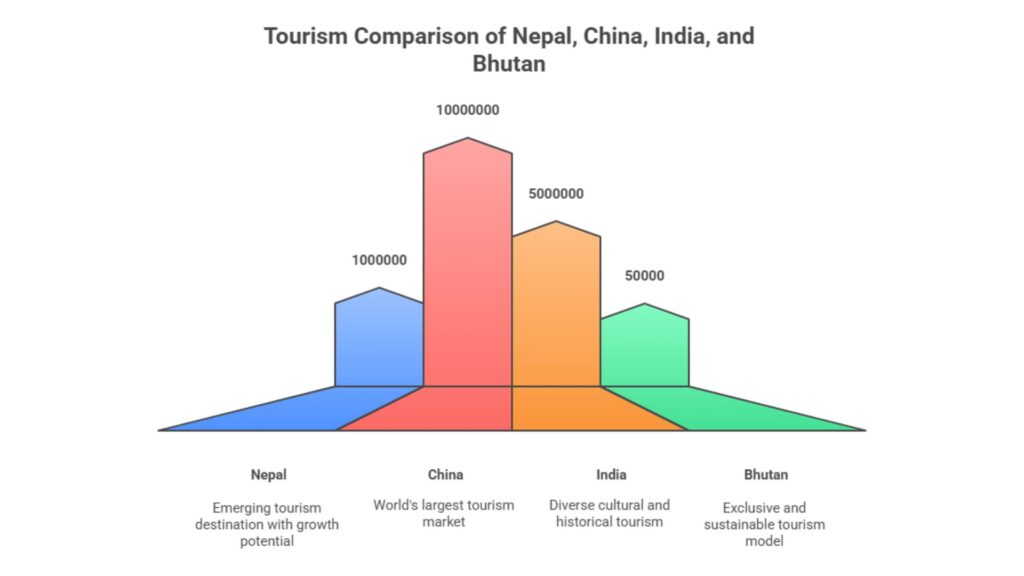
When compared with neighboring countries, Nepal’s tourism industry is smaller in scale but growing steadily:
Metric
Nepal
China
India
Bhutan
Total Tourists
Over 1 million
82.03 million
Over 10.1 million (estimated)
~103,000
Tourism Revenue
$548 million
$1.3 trillion
$27.35 billion (estimated)
N/A
Contribution to GDP
1.10% (international tourism)
7.3% (total)
7–10% (from foreign exchange)
~3.42% (2022)
While Nepal’s numbers are modest relative to giants like China and India, the growth rate, adventure tourism offerings, and cultural experiences position it as a unique and high-potential destination. The data also highlights opportunities for strategic investment, particularly in adventure, wellness, and sustainable tourism segments.
Types of Tourism in Nepal
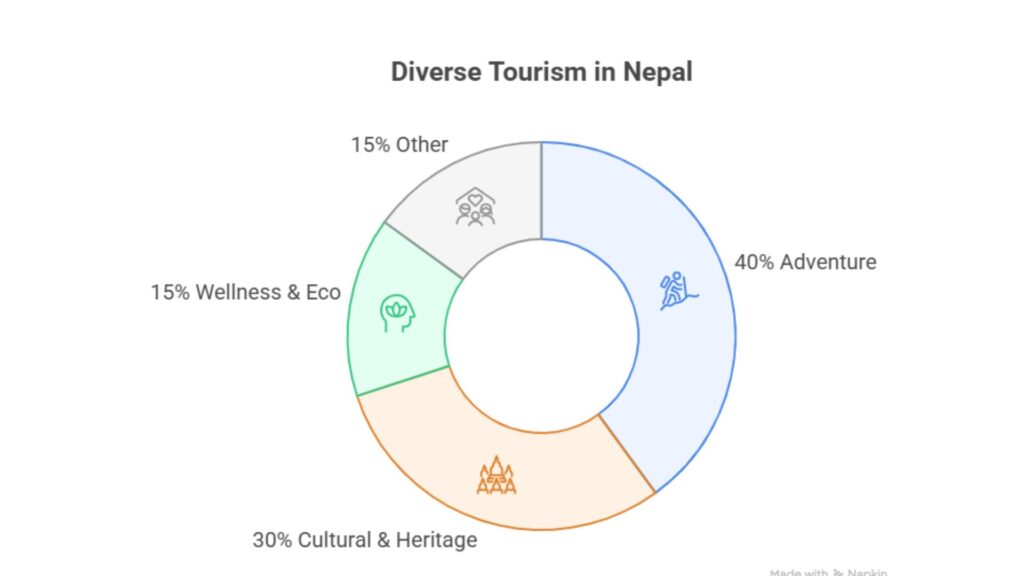
Nepal offers a diverse array of tourism experiences, catering to adventure enthusiasts, cultural explorers, wellness seekers, and eco-tourists. According to Inside Himalayas, the approximate breakdown of tourist interest in Nepal is:
Adventure Tourism: 40%
Cultural & Heritage Tourism: 30%
Wellness & Eco-Tourism: 15%
Other Tourism (religious, leisure, etc.): 15% (Inside Himalayas)
This distribution highlights Nepal’s global appeal for adventure and trekking, while also showcasing its rich cultural and spiritual offerings.
Adventure Tourism in Nepal
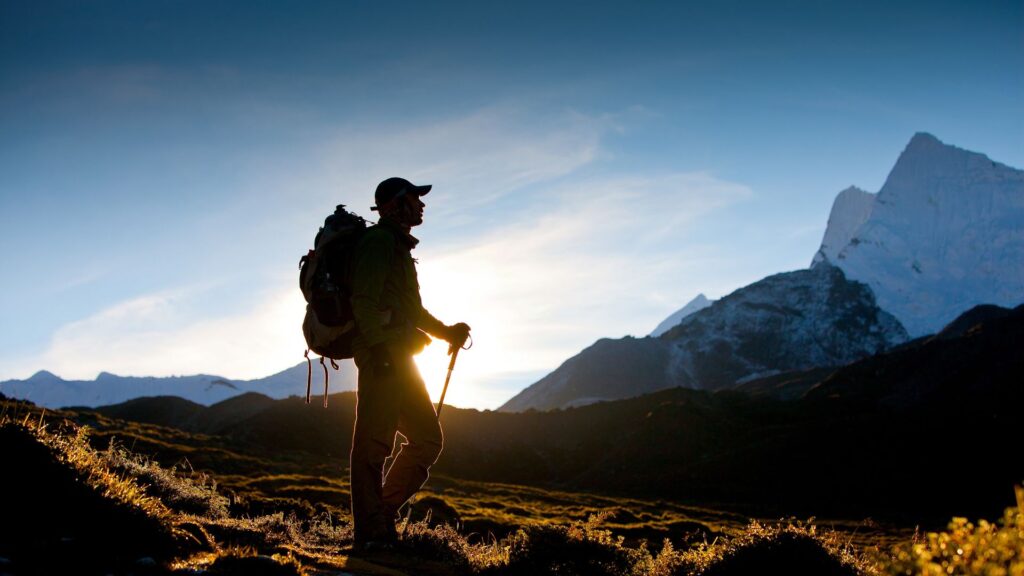
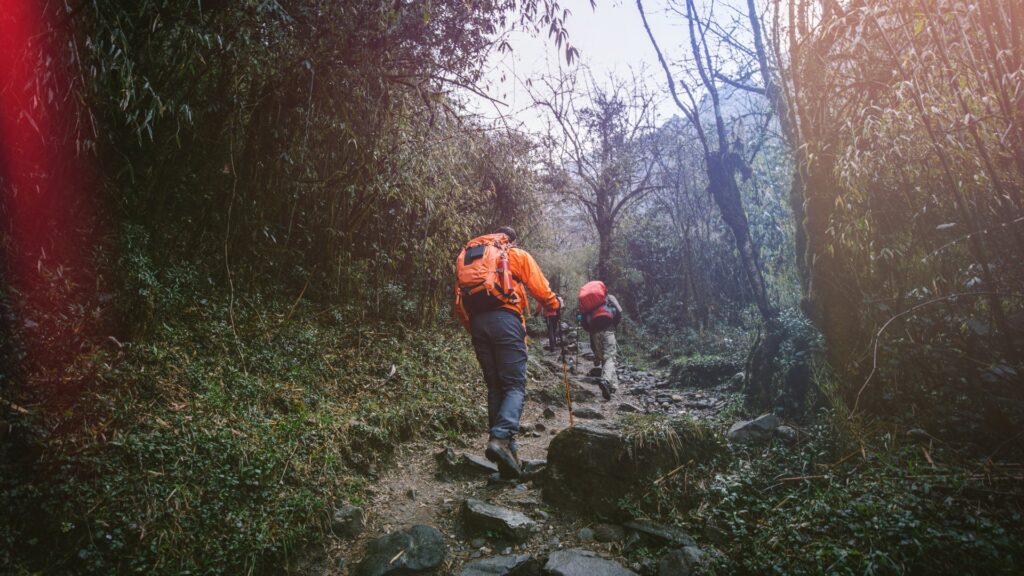
Nepal is world-renowned for adventure tourism, offering trekking, rafting, paragliding, and mountaineering. Trekking remains the most popular activity, with the Annapurna and Everest regions drawing the majority of trekkers.
Popular Trekking Routes:
Annapurna Region:
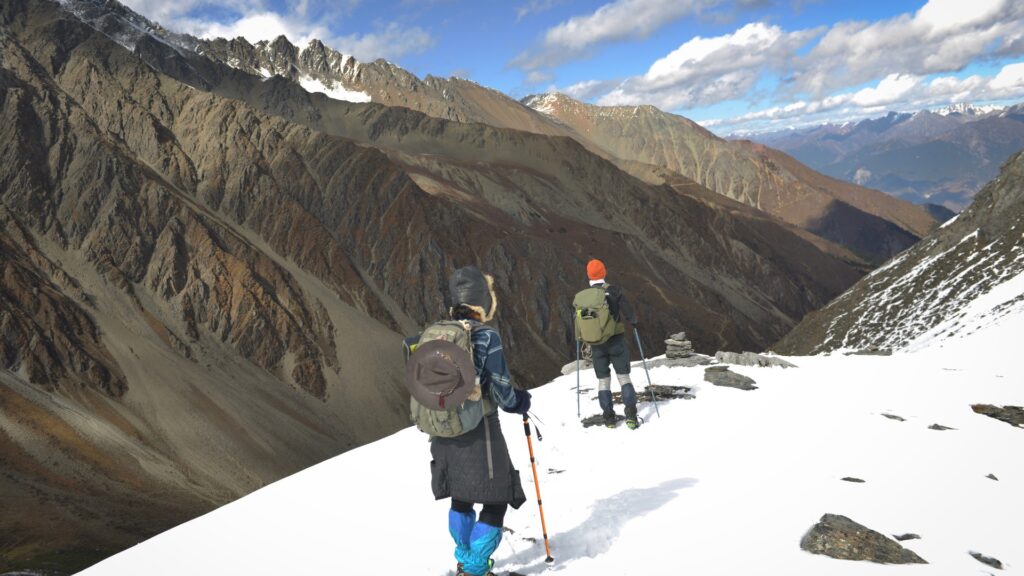
Annapurna Circuit: Classic long route around the Annapurna massif; elevation up to 5,416m at Thorung La Pass.
Annapurna Base Camp (ABC) Trek: Shorter trek reaching 4,130m, surrounded by towering peaks.
Ghorepani Poon Hill Trek: Ideal for beginners; max elevation 3,210m; famous for sunrise views.
Mardi Himal Trek: Less crowded, offering close-up mountain views.
Importance of Tourism in Nepal
The tourism industry in Nepal extends far beyond revenue generation, serving as a cornerstone for economic growth, employment, cultural preservation, and regional development.
Economic Contribution
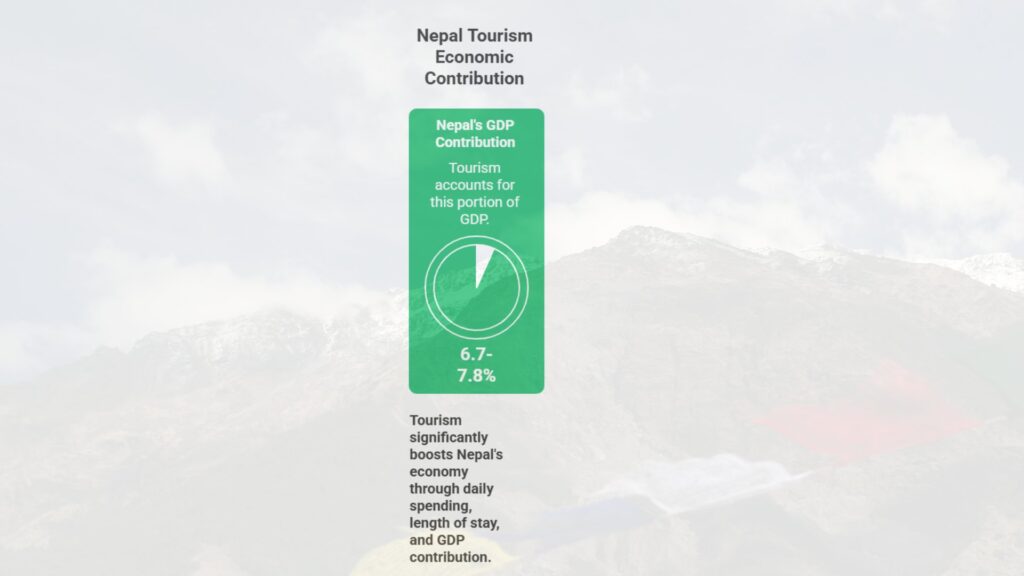
Tourism plays a vital role in Nepal’s economy. In the fiscal year 2022/23, foreign tourists spent an average of USD 41 per day, with an average stay of 13.1 days, resulting in a total economic impact of approximately $2.2 to $2.7 billion (Investment Board Nepal).
The sector contributed around 6.7%–7.8% of Nepal’s GDP during the same period, highlighting its importance not only as a source of income but also as a driver of foreign exchange earnings.
Employment Generation
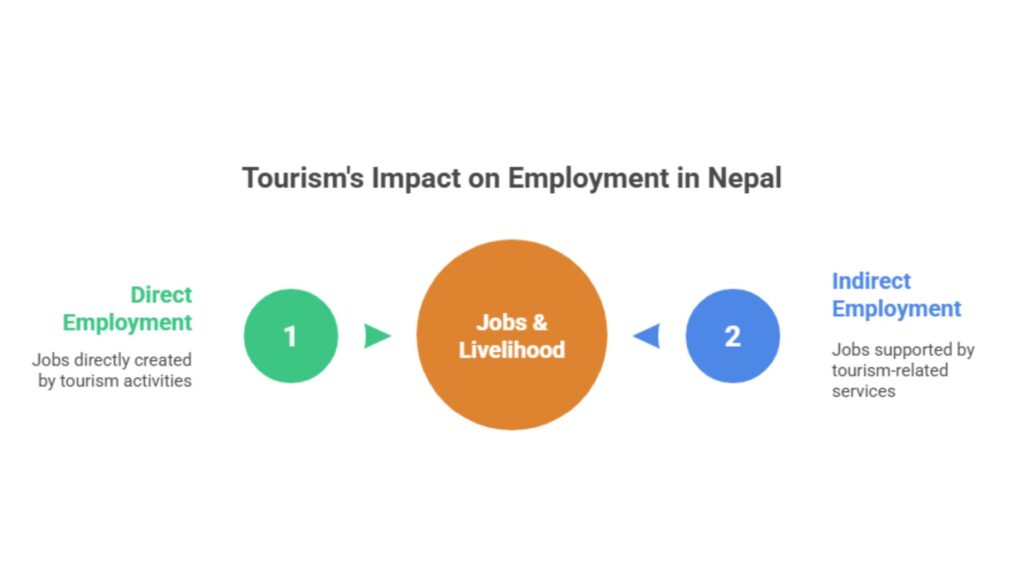
Tourism supports a substantial workforce, both directly and indirectly:
Direct Employment: Over 500,000 jobs in hotels, resorts (e.g., Trishuli Villa), adventure activity operators, and restaurants (World Travel & Tourism Council).
Indirect Employment: Including local transport, craft production, food services, and guided tourism activities, the total employment supported by tourism reached 1.19 million jobs in 2023, accounting for approximately 15% of Nepal’s total employment (Kathmandu Post).
This demonstrates the sector’s role as a major source of livelihood for both urban and rural communities.
Cultural Preservation
Tourism contributes significantly to cultural and heritage preservation in Nepal:
Participation in local festivals, rituals, and craft markets helps sustain traditional arts and practices.
Communities are incentivized to maintain heritage sites, temples, and cultural events to attract visitors.
This engagement ensures that Nepal’s rich cultural identity is passed on to future generations while offering authentic experiences to tourists.
Regional and Rural Development
Tourism drives regional economic growth, particularly in rural and remote areas:
Development of infrastructure, including roads, bridges, and accommodations, improves accessibility.
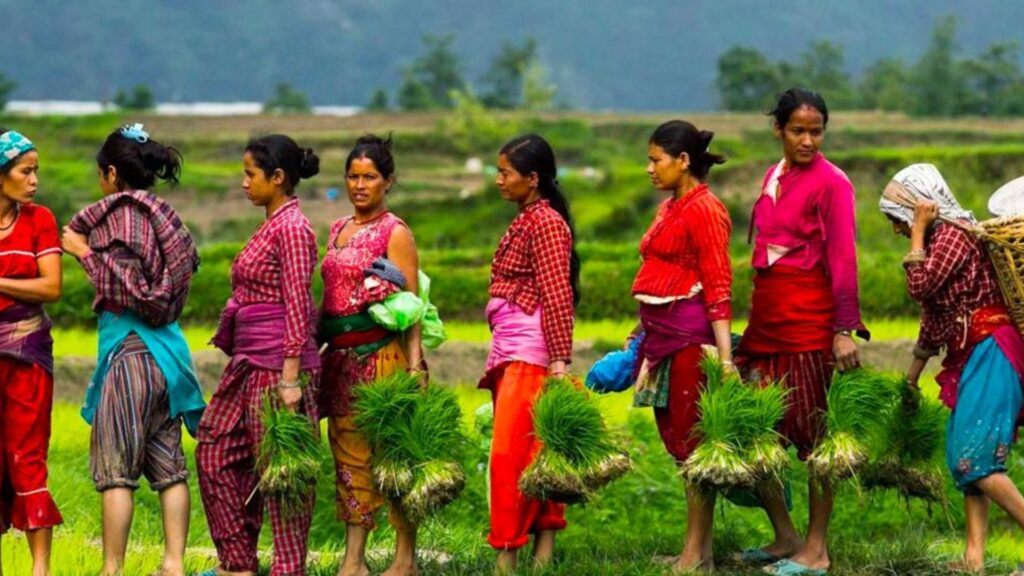
Community-based homestays and eco-tourism initiatives provide direct income for local villagers, especially near rivers like the Trishuli River, where tourism supports hospitality services, guides, and small businesses.
Adventure and nature-based tourism (rafting, trekking, river fishing) create additional revenue streams for rural communities, promoting inclusive economic development.
Popular Tourist Places in Nepal
Nepal is home to a diverse array of tourist destinations, catering to adventure seekers, cultural enthusiasts, and wellness travelers alike. The country’s top attractions combine natural beauty, heritage, and adventure experiences.
Kathmandu Valley
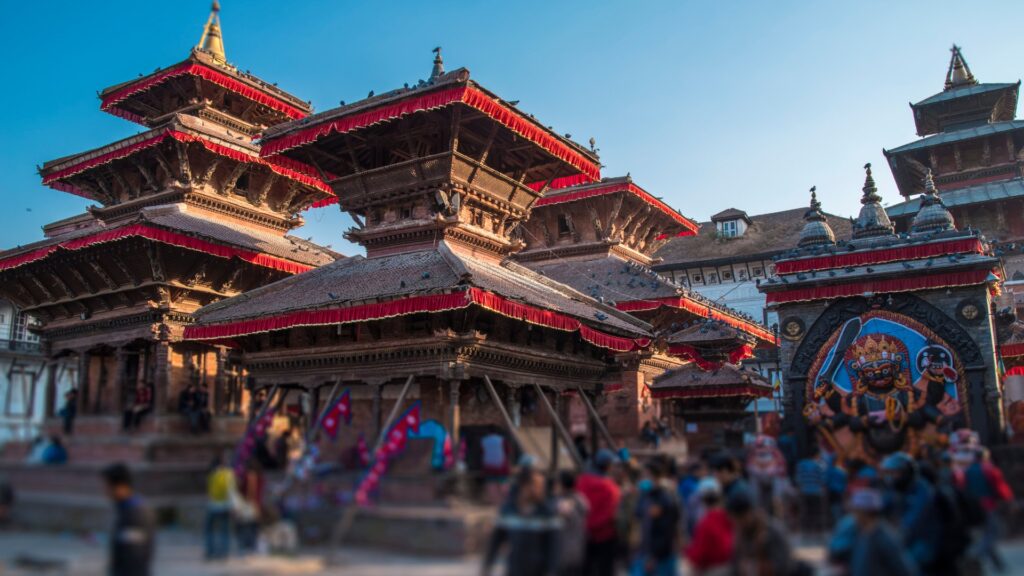
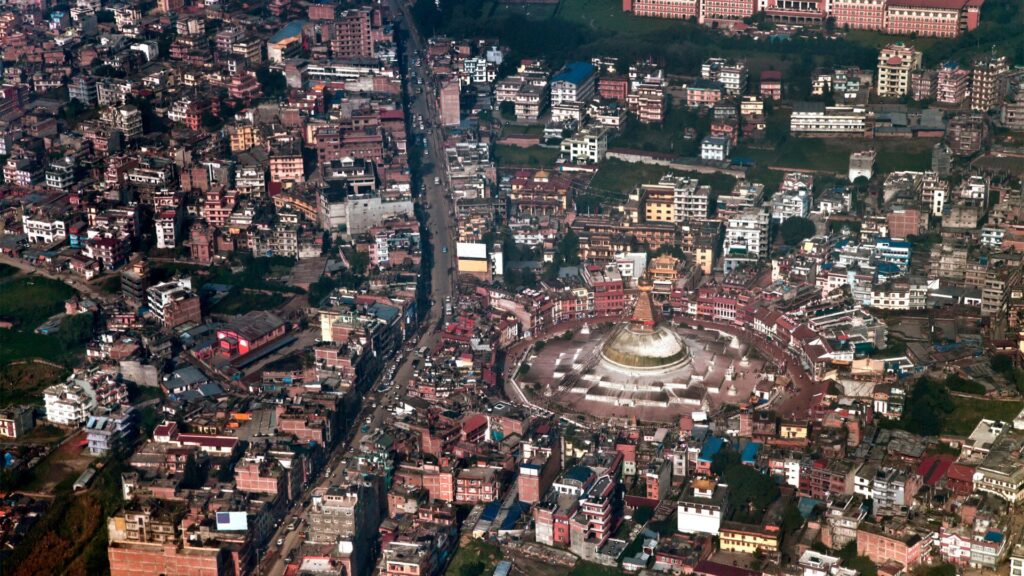
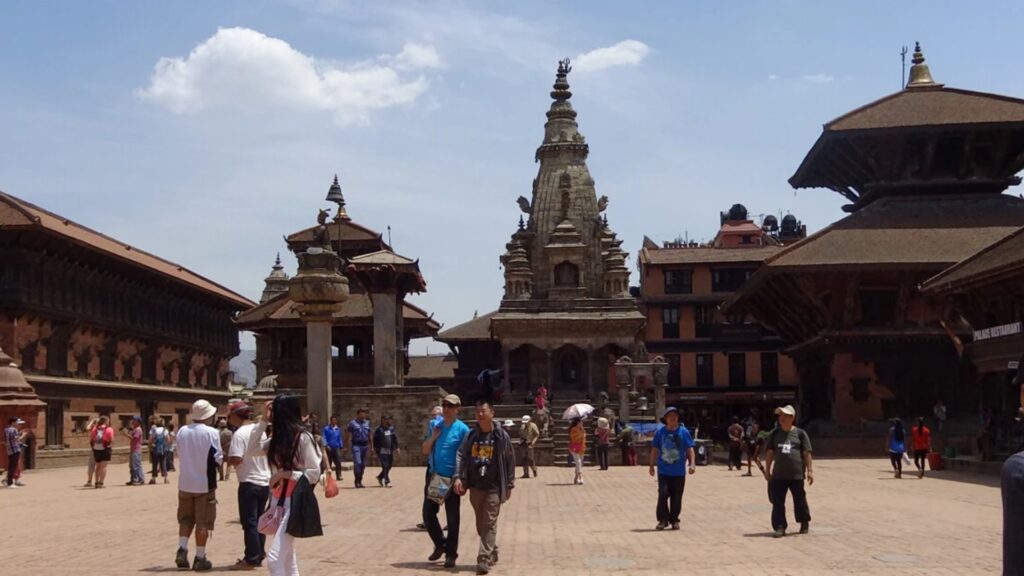
The cultural and historical heart of Nepal, Kathmandu Valley is renowned for its UNESCO World Heritage Sites, including Swayambhunath, Boudhanath, Pashupatinath, and Patan Durbar Square. In 2023, the valley welcomed hundreds of thousands of international visitors exploring temples, palaces, and cultural festivals (PlanetWare).
Pokhara & Annapurna Region
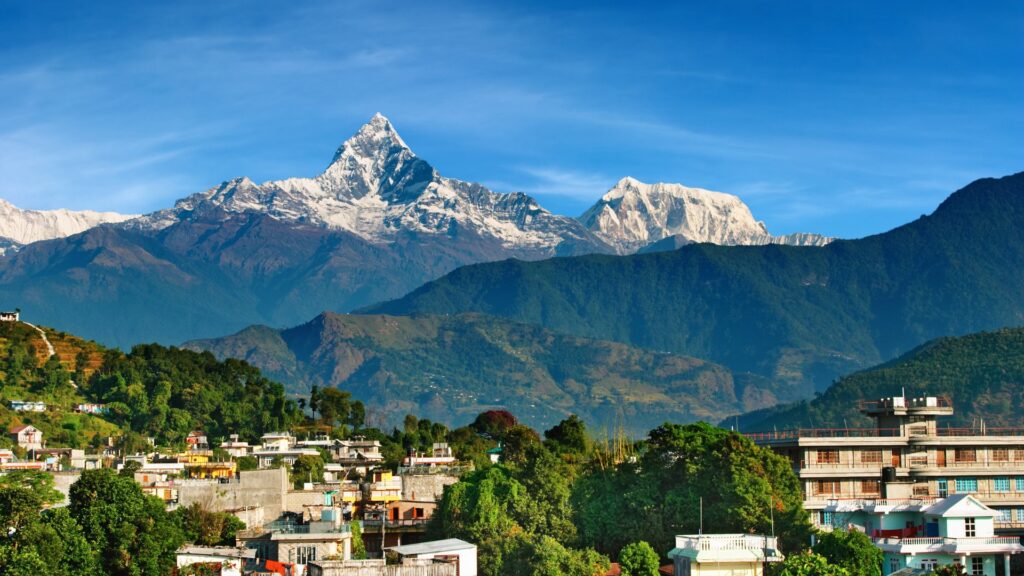
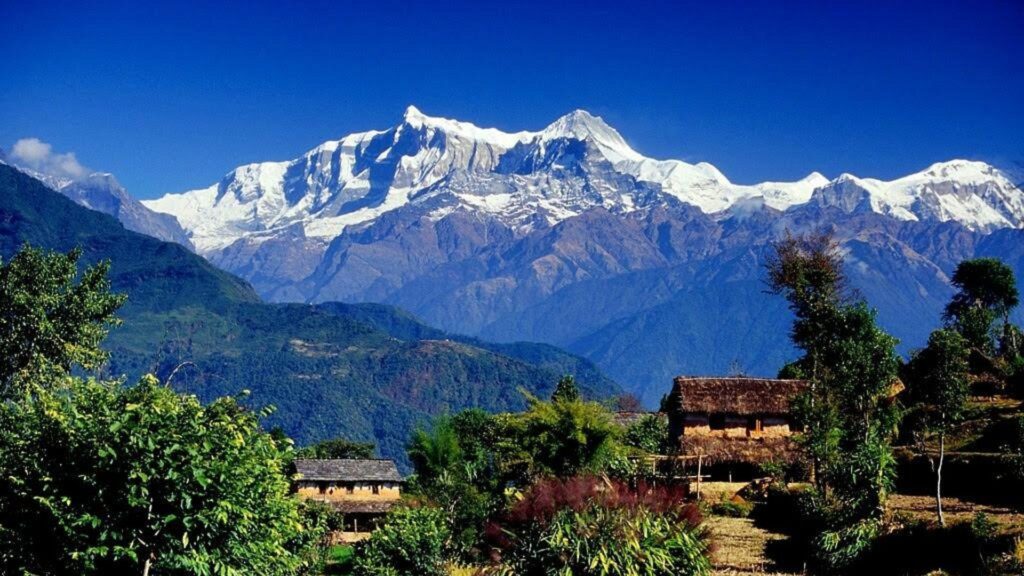
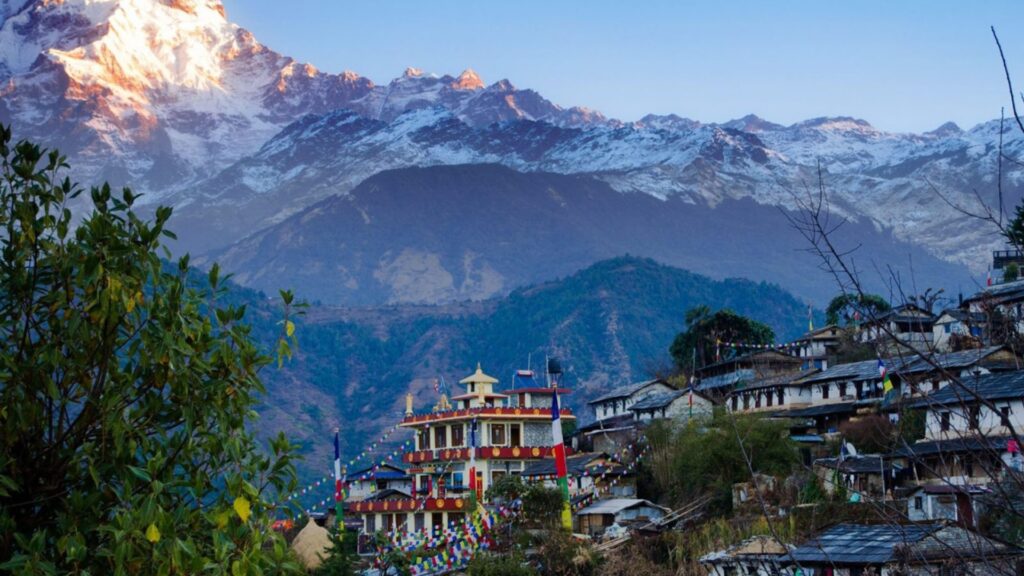
Known for its pristine lakes, panoramic mountain views, and trekking routes, Pokhara serves as the gateway to the Annapurna trekking circuit. The region attracts a significant portion of international trekkers: the Annapurna Circuit alone accounts for approximately 55.8% of Nepal’s annual trekking tourists. Adventure activities such as paragliding, ultralight flights, and boating on Phewa Lake complement trekking experiences (Inside Himalayas).
Lumbini
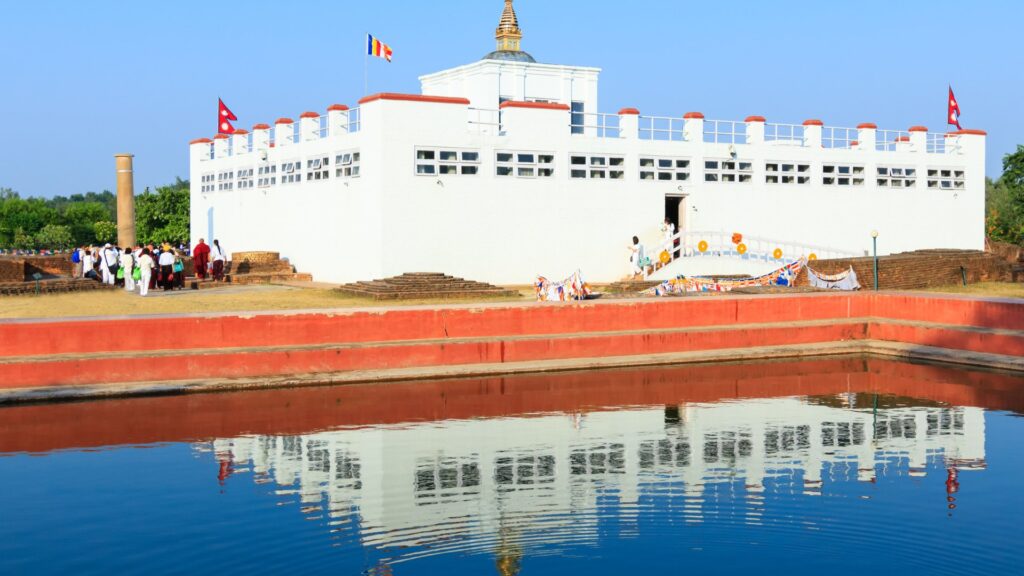
The birthplace of Lord Buddha, Lumbini is a spiritual hub for pilgrims and tourists. The site sees thousands of international visitors annually, particularly from Buddhist-majority countries like Thailand, Myanmar, and Japan. Lumbini’s monasteries, meditation gardens, and cultural centers provide immersive spiritual experiences (Tempo).
Chitwan National Park
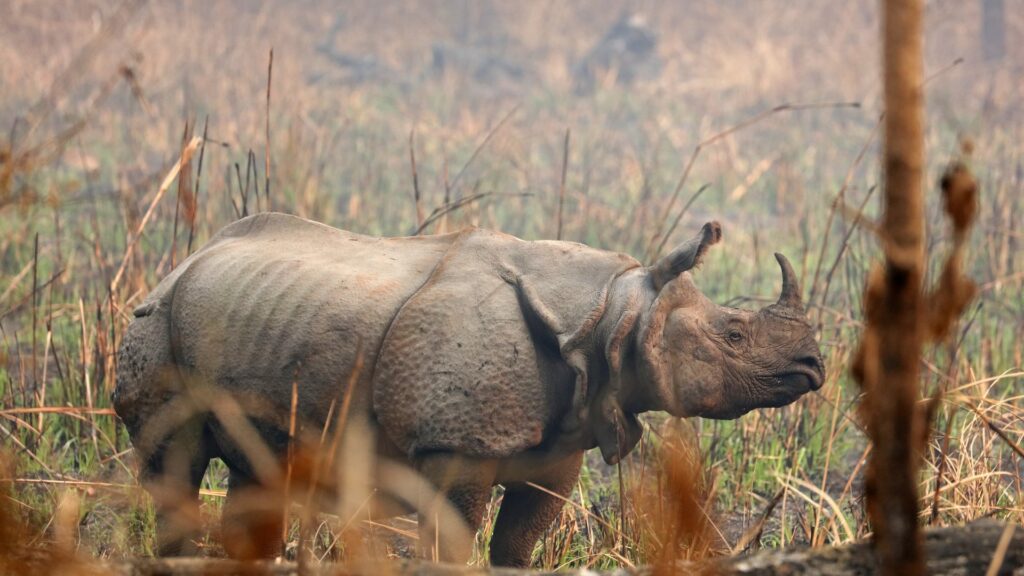
A UNESCO World Heritage Site, Chitwan National Park offers wildlife safaris, elephant rides, and jungle treks. It is home to species such as Bengal tigers, one-horned rhinos, and gharials. The park attracts thousands of nature enthusiasts and adventure tourists, making it one of the most visited wildlife destinations in Nepal (Tempo).
Trishuli River
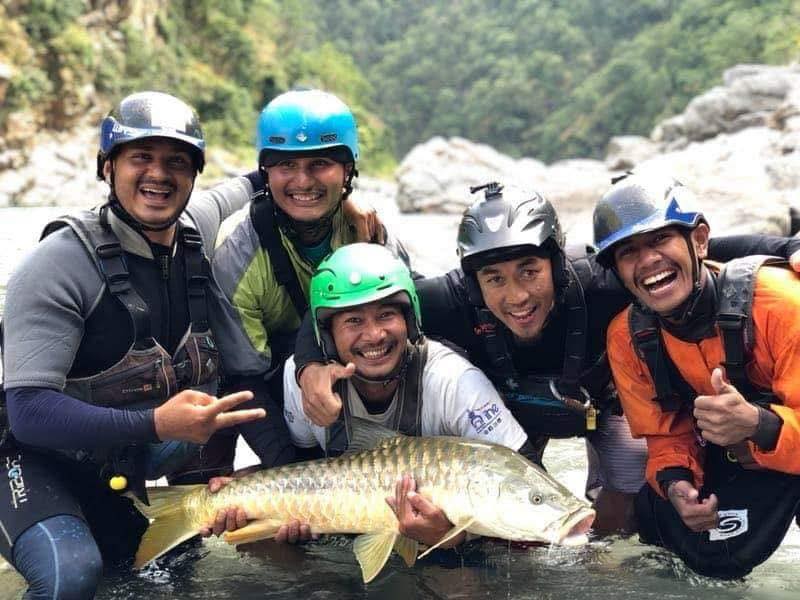
Famous for white-water rafting, kayaking, and river fishing, the Trishuli River provides a blend of adventure and natural beauty. Easily accessible from Kathmandu and Pokhara, it is increasingly popular among domestic and international tourists seeking short adventure trips and weekend getaways (PlanetWare).
Emerging Destinations
Nepal is also witnessing growth in modern tourism hubs and conference tourism. Cities like Dhulikhel, Nagarkot, and Pokhara Lakeside are gaining popularity for wellness resorts, adventure sports, and MICE (Meetings, Incentives, Conferences, and Exhibitions) events, showing a consistent upward trend in tourist arrivals and investment (MICE in Nepal).
Challenges of Tourism in Nepal
Despite its immense potential, Nepal’s tourism industry faces several challenges that must be addressed to ensure sustainable growth and a high-quality visitor experience.
Seasonal Fluctuations
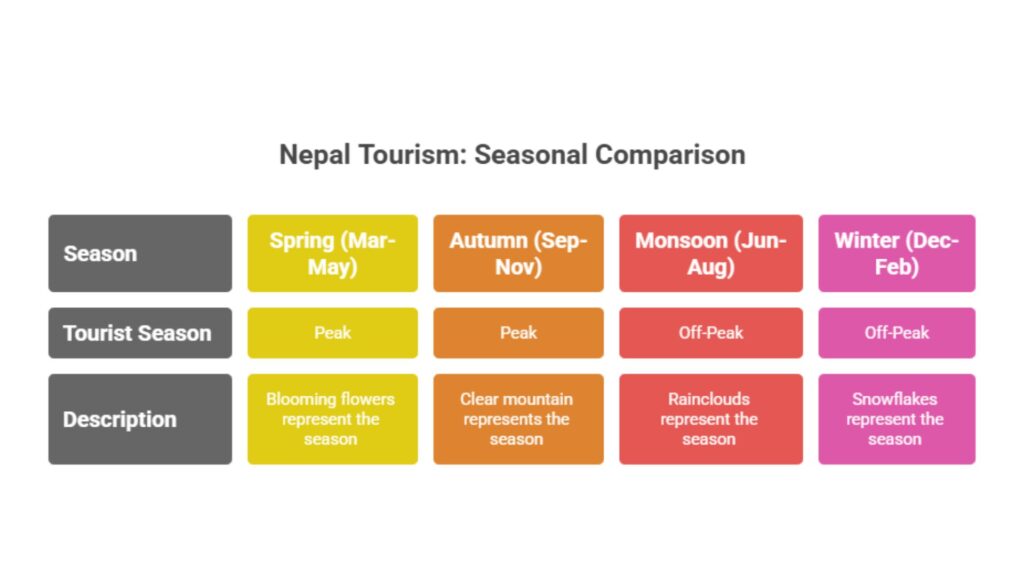
Tourism in Nepal is highly seasonal. Peak seasons during spring (March–May) and autumn (September–November) see a surge in visitor numbers, while the monsoon (June–August) and winter (December–February) experience a significant decline. According to Aarthik News, there is an approximate 40–50% difference in tourist arrivals between peak and off-peak months (Aarthik News). This seasonality affects accommodation occupancy, transport services, and local businesses.
Infrastructure Gaps
Limited infrastructure remains a critical constraint, particularly in remote regions:
Road connectivity to trekking and adventure destinations is often underdeveloped, with many areas accessible only by foot or small vehicles.
Accommodation shortages exist in emerging tourist areas, with many villages lacking sufficient hotels or homestays.
Connectivity issues, including inconsistent electricity and internet services, can impact tourism operations and visitor experience.
Environmental Concerns
Over-tourism and unregulated tourism activities can harm fragile ecosystems:
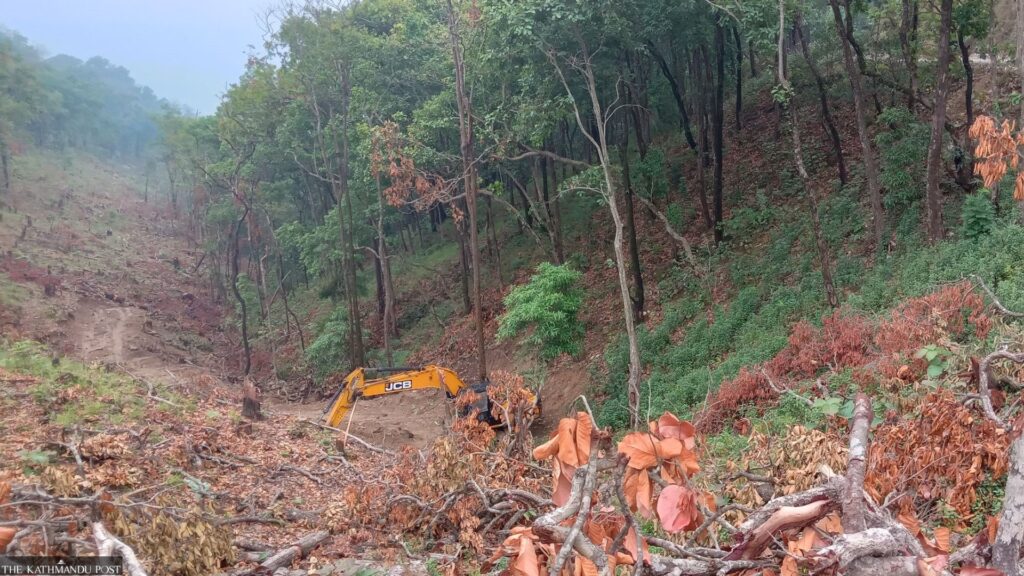
Deforestation, waste generation, and water pollution are observed near high-traffic trekking trails and popular rivers.
Conservation reports emphasize the need for eco-friendly practices and sustainable visitor management to protect natural habitats and wildlife.
Nepal’s tourism industry faces growing competition from neighboring countries, each offering unique attractions and experiences. Here’s how Nepal compares:
Thailand: In 2024, Thailand welcomed 35.6 million international visitors, positioning it as a leading destination in Asia. Wikipedia
Vietnam: Vietnam attracted 17.6 million visitors in 2024, showcasing significant growth in its tourism sector.
Bhutan: Bhutan, with its unique “High Value, Low Impact” tourism policy, continues to attract a niche market seeking exclusive cultural and natural experiences.
While Nepal offers unparalleled trekking experiences and rich cultural heritage, it faces challenges in infrastructure development, marketing, and global positioning to compete effectively with these regional players.
Opportunities & Trends
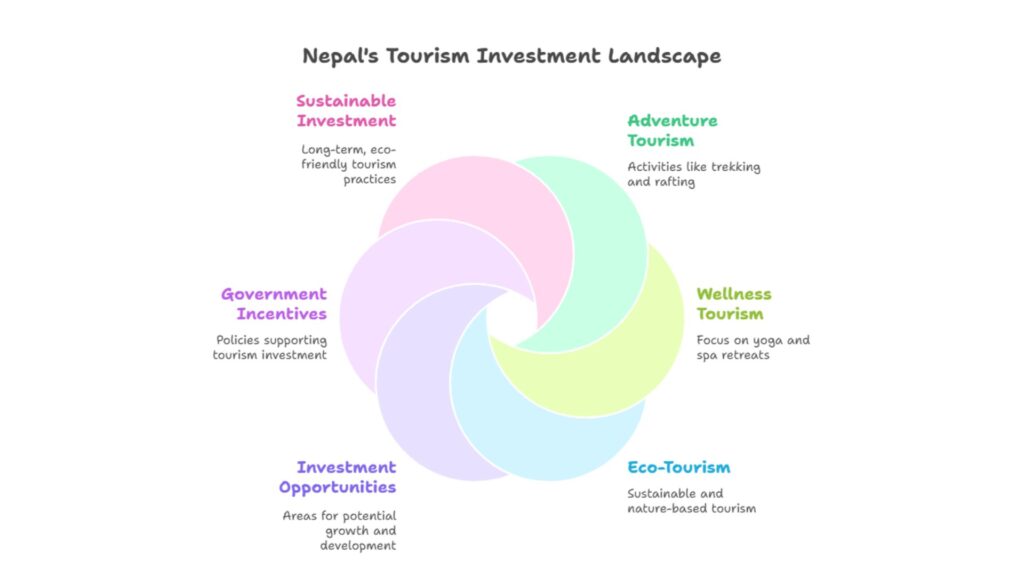
Nepal’s tourism industry presents significant opportunities for travelers, investors, and businesses, particularly in adventure, wellness, and eco-tourism.
Adventure and Trekking Tourism
Adventure tourism continues to be the backbone of Nepal’s tourism sector. According to DIT Tourism Exchange, trekking and adventure activities attract over 40% of international tourists, with the Annapurna and Everest regions remaining the most popular. The growing interest in river rafting, paragliding, and mountain biking suggests a projected 10–12% annual growth in adventure tourism over the next five years (DIT Tourism Exchange).
Wellness and Riverside Retreats
Wellness tourism, including spa treatments, yoga, meditation, and sauna/steam experiences, is increasingly popular. Resorts such as Trishuli Villa, located along scenic view of Trishuli River, capitalize on this trend. Global wellness tourism is projected to reach $8.5 trillion by 2030, highlighting Nepal’s potential as a wellness destination. Within Nepal, wellness retreats report occupancy rates of 60–75% during peak seasons, signaling strong investment potential (DIT Tourism Exchange).
Cultural Tourism
Nepal’s rich heritage, festivals, and UNESCO World Heritage Sites attract international visitors. Cultural tourism contributes approximately 30% of total tourism arrivals, providing opportunities for heritage tours, guided cultural experiences, and festival packages.
Eco and Sustainable Tourism
There is a growing global demand for responsible and eco-friendly travel. In Nepal, eco-lodges, community-based homestays, and conservation-focused tours are gaining traction. This sector is expected to grow by 8–10% annually, offering opportunities for sustainable tourism investments while promoting environmental stewardship.
Emerging Trends for 2025
Market projections indicate increasing interest in combined adventure and wellness packages, such as trekking coupled with yoga retreats or riverside rafting with spa facilities. Investors and resort operators can leverage these trends to develop innovative tourism products, targeting both domestic and international travelers.
Insights for Travelers
For first-time visitors and returning travelers, understanding the best seasons, cultural etiquette, and top destinations is key to enjoying Nepal’s diverse tourism offerings.
Best Seasons for Travel
Nepal experiences distinct seasons that affect travel plans:
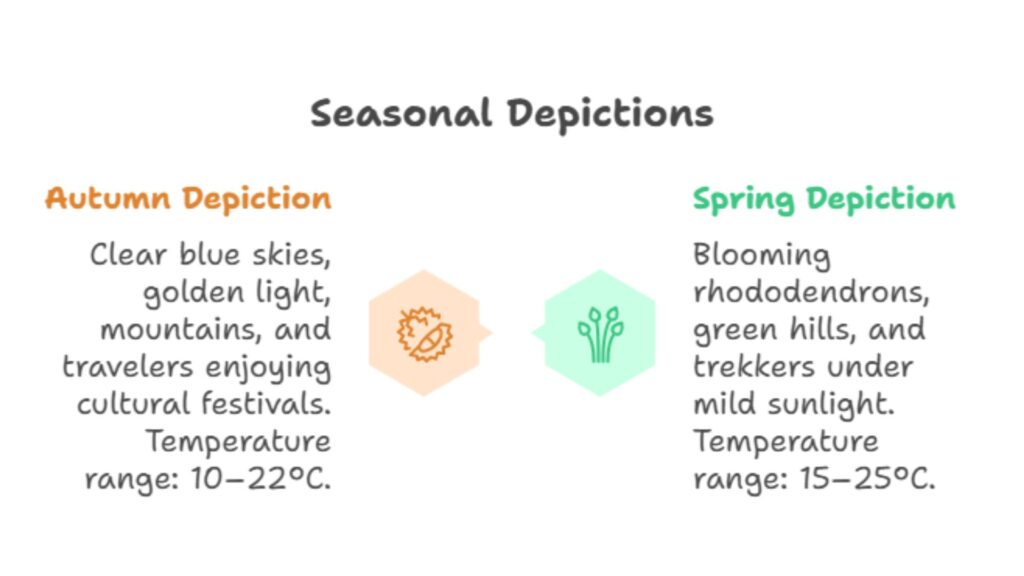
Spring (March–May): Temperatures range from 15°C to 25°C in the valleys, ideal for trekking, rafting, and sightseeing. Flora blooms add to the scenic beauty, particularly in trekking regions like Annapurna and Everest.
Autumn (September–November): Clear skies, moderate temperatures (10°C–22°C), and stable weather make this the peak season for trekking, cultural festivals, and
Insights for Investors
Nepal’s tourism industry offers significant opportunities for domestic and international investors, driven by diverse attractions and growing global interest.
Emerging Markets
Adventure tourism (trekking, rafting, mountaineering), wellness retreats (spa, yoga, sauna), and eco-tourism are the fastest-growing segments. According to DIT Tourism Exchange, adventure and wellness packages have seen an annual growth rate of 10–12%, highlighting their potential for investment (DIT Tourism Exchange).
Government Incentives
The Nepalese government encourages tourism investment through incentives such as:
Tax exemptions for newly established hotels and resorts.
Support for eco-friendly and community-based tourism projects.
Streamlined permit and licensing processes for adventure activity operators.
ROI Potential
Rising international arrivals (over 1 million in 2023) and growing tourism revenue (USD 548 million) indicate strong returns for hospitality and adventure investments. High-demand areas include riverside resorts, trekking hubs, and cultural destinations near UNESCO World Heritage Sites.
Niche Opportunities
Investors can target high-value packages combining:
Cultural immersion: Heritage tours, festivals, and local experiences.
Luxury hospitality: Boutique hotels, wellness resorts, and eco-lodges.
By leveraging these trends, investors can capitalize on Nepal’s unique positioning as an adventure and cultural tourism hub, while contributing to sustainable development and community growth.
Conclusion
The tourism industry in Nepal is a dynamic and multifaceted sector offering unparalleled opportunities for travelers and investors alike. From adventure sports on the Trishuli River to cultural heritage in Kathmandu Valley, Nepal delivers a unique combination of experiences.
With steady tourism growth, rich cultural and natural assets, and emerging trends in wellness and eco-tourism, Nepal remains a prime destination for both exploration and investment.
Whether you’re a traveler seeking adventure, a cultural enthusiast, or an investor looking for opportunities, understanding the tourism industry in Nepal is the first step toward making the most of what this Himalayan nation has to offer.
Frequently Asked Questions (FAQ)
1. What travel documents do visitors need to enter Nepal?
Most travelers can obtain a visa on arrival at Tribhuvan International Airport or apply online for an eVisa. A valid passport (6+ months validity) and proof of onward travel are required. Indian citizens do not need a visa to enter Nepal; they can travel freely using a valid passport or voter ID card.
2. How safe is Nepal for solo and female travelers?
Nepal is considered one of the safest destinations in South Asia, especially in tourist zones. Common precautions, like avoiding isolated trekking routes without a guide and securing valuables—are advised.
3. How is digital connectivity and internet access for remote workers or digital nomads?
Major cities like Kathmandu, Pokhara, and Chitwan have reliable 4G and Wi-Fi in hotels and cafés. Rural trekking areas have patchy access but improving coverage via mobile data and satellite Wi-Fi services.
4. What are the major government initiatives to promote tourism investment?
The Investment Board Nepal (IBN) and Tourism Department offer tax incentives, easier licensing for resorts and adventure operators, and promote sustainable infrastructure under the Tourism Vision 2032 plan.
5. How is Nepal preparing for sustainable tourism growth?
Nepal is encouraging eco-lodges, waste management programs, carbon-neutral trekking, and community-based tourism to balance growth with environmental conservation and local empowerment.
Got any Questions
Do not hesitage to give us a call. We are an expert team and we are happy to talk to you.